
Crafting the Perfect Doll Plush Toy: A Step-by-Step Guide
Nov 21,2025
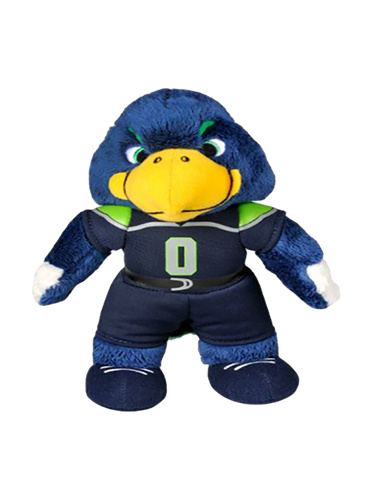
Crafting the Perfect Doll Plush Toy: A Step-by-Step Guide
Table of Contents
- 1. Introduction to Doll Plush Toys
- 2. Choosing the Right Materials for Your Plush Toy
- 3. Designing Your Doll Plush Toy: Tips and Techniques
- 4. Essential Sewing Techniques for Plush Dolls
- 5. Stuffing Your Doll: What You Need to Know
- 6. Adding Details: Creating Unique Features
- 7. Final Touches: Making Your Plush Toy Stand Out
- 8. Safety Considerations for Plush Toys
- 9. Conclusion
- 10. Frequently Asked Questions
1. Introduction to Doll Plush Toys
Creating a doll plush toy can be one of the most rewarding crafts for both beginners and seasoned artisans alike. These soft, cuddly creations are not just toys; they often become cherished companions for children and adults. In this guide, we will take you through each step required to craft the perfect doll plush toy, ensuring that your final product is not only visually appealing but also durable and safe for play.
2. Choosing the Right Materials for Your Plush Toy
The foundation of any successful plush toy begins with selecting the right materials. Here, we’ll explore the various options available and their respective advantages.
2.1 Fabric Choices
When it comes to fabric, we recommend using **soft, durable materials** such as cotton, fleece, or minky. Each fabric type offers a unique texture and feel.
- **Cotton**: Lightweight and breathable, cotton is ideal for summer plushies and is easy to wash.
- **Fleece**: Known for its warmth, fleece is perfect for winter-themed dolls.
- **Minky**: This luxurious fabric adds a special touch; it's incredibly soft and often used for baby toys.
2.2 Stuffing Materials
The stuffing you choose is equally important as it affects the plush toy's shape and comfort.
- **Polyester fiberfill**: This is the most common and provides a fluffy and soft feel.
- **Natural stuffing**: For those looking for eco-friendly options, consider using wool or cotton stuffing.
2.3 Additional Accessories
Gather additional materials like buttons for eyes, embroidery threads for facial features, and fabric paint for unique designs. Ensure all accessories are safe for children if the plush toy is intended for kids.
3. Designing Your Doll Plush Toy: Tips and Techniques
Once you've chosen your materials, the next step is **designing your doll plush toy**. Here are some guidelines to create a unique design.
3.1 Sketching Your Design
Start by sketching your idea on paper. Consider the doll's size, features, and overall look. Sketching helps visualize the final product.
3.2 Choosing a Theme
Decide on a theme for your doll. Popular themes include fairy tale characters, animals, or even unique creations of your imagination. This will guide your fabric choices and decorative elements.
3.3 Creating a Pattern
A well-made pattern is crucial for a polished finish. You can create your own by tracing your sketches or use online templates available for free. Ensure to include seam allowances in your pattern for easy assembly.
4. Essential Sewing Techniques for Plush Dolls
Sewing is the heart of crafting plush toys. Mastering a few essential techniques will elevate your craftsmanship.
4.1 Hand Sewing vs. Machine Sewing
While hand sewing allows for more control and detail, machine sewing can save time and create sturdier seams. We recommend using a sewing machine for most of the construction and hand sewing for delicate details.
4.2 Basic Stitch Types
Familiarize yourself with **basic stitch types**:
- **Straight stitch**: Great for most seams.
- **Zigzag stitch**: Perfect for stretchy fabrics to prevent fraying.
- **Blind stitch**: Ideal for hems and finishing edges invisibly.
4.3 Securing Your Seams
To avoid seams coming apart, reinforce them by backstitching at the beginning and end of each seam. This guarantees durability.
5. Stuffing Your Doll: What You Need to Know
Stuffing is where your doll starts to take shape, adding depth and softness.
5.1 How Much Stuffing to Use
The amount of stuffing will depend on the size of your doll. A good rule of thumb is to fill until the doll is firm yet still squeezable.
5.2 Stuffing Techniques
Distribute the stuffing evenly throughout the doll's limbs and body. This ensures that the toy maintains a uniform shape and doesn't sag in any areas.
6. Adding Details: Creating Unique Features
Details bring your doll to life! Here’s how to incorporate unique features that make your plush toy special.
6.1 Facial Features
Consider using safety eyes or embroidering eyes for a wholesome look. A simple smile can make your doll feel friendly and inviting.
6.2 Hair and Accessories
You can create hair using yarn, fabric strands, or felt pieces. Adding accessories such as hats or bows can further personalize your doll.
6.3 Clothing Options
Creating outfits for your plush toy allows for boundless creativity. Use leftover fabric to match your doll’s personality with cute attire.
7. Final Touches: Making Your Plush Toy Stand Out
Before you declare your doll plush toy complete, consider adding some final embellishments.
7.1 Ironing and Shaping
Gently iron the fabric if necessary to smooth out any wrinkles. This step will enhance the overall appearance of your plush.
7.2 Adding Tags or Labels
Personalize your creation with a tag that has your name or a special message. This adds a professional touch and makes it a perfect gift.
8. Safety Considerations for Plush Toys
Safety is paramount, especially if your doll is for children. Here are some key points to keep in mind.
8.1 Choosing Non-Toxic Materials
Ensure that all materials used are **non-toxic** and safe for children. This is particularly crucial for stuffing and embellishments.
8.2 Securely Attach All Accessories
Double-check that all pieces are securely attached to prevent choking hazards. Use strong adhesives or sewing techniques to ensure durability.
8.3 Age-Appropriate Designs
Consider the age of the intended user when designing the plush toy. Avoid small parts for toys intended for younger children.
9. Conclusion
Crafting the perfect doll plush toy is an enjoyable and fulfilling experience. From selecting the right materials to adding unique details, each step brings you closer to a cherished creation. By following this comprehensive guide, you’ll not only create a delightful plush toy but also gain valuable crafting skills along the way. Whether for personal use, as a gift, or to sell, your handmade plush toys will surely bring joy and lasting memories to those who encounter them.
10. Frequently Asked Questions
10.1 What is the best fabric for making plush toys?
The best fabrics include cotton, fleece, and minky due to their softness and durability.
10.2 Can I use recycled materials for my plush toy?
Yes, using recycled fabrics is a great way to create eco-friendly plush toys.
10.3 How do I wash and care for my plush toy?
Always check the care labels of your materials, but most can be machine washed on a gentle cycle. Air drying is recommended.
10.4 What age group is suitable for handmade plush toys?
As a rule of thumb, plush toys without small parts are safe for children ages 0 and up, but always consider the age and development level of the child.
10.5 Can I sell the plush toys I make?
Yes, as long as you adhere to safety regulations and use safe materials, you can sell your handmade plush toys. Consider checking local regulations regarding toy sales.
By following this guide, we ensure that your journey into crafting doll plush toys will be as enjoyable as it is rewarding. Happy crafting!
TAG:
Contact Us
E-mail :
Peter@hyhytoy.com
Phone/Whatsapp:
0086 13817121849
Address:
No. 98, Yuanqu Road, Dayi Town, Yizheng City, Yangzhou City

A factory with more than 20 years of experience as a manufacturer of
plush toys and pet toys.
Quick Contact
If you have any questions or need help, feel free to contact with our team.
Our production capacity is 500 thousand pieces per month and we could achieve very fast delivery time.
Leave your email address for industry alerts, our latest news, thoughts, and insights from KEDI TOY. We are always on standby !