
Doll Plush Toys in Education: Enhancing Learning Through Play
Jan 23,2026
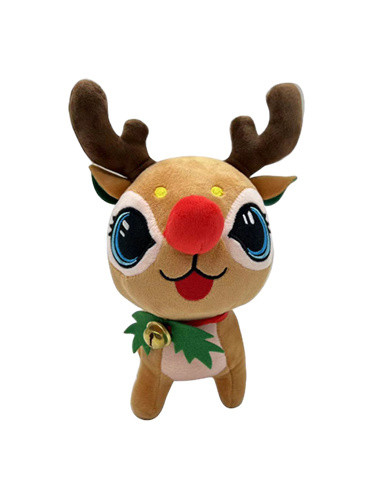
Doll Plush Toys in Education: Enhancing Learning Through Play
Introduction to Doll Plush Toys in Education
In the realm of education, innovative methods are continuously emerging to enhance children's learning experiences. One such method gaining traction is the use of **doll plush toys** as educational tools. These cuddly companions are more than just toys; they serve as powerful instruments that can foster learning, creativity, and social interactions among children. By engaging with doll plush toys, children can explore complex concepts, develop essential skills, and most importantly, learn through play.
In this article, we will delve into the various ways *doll plush toys* can enrich educational experiences, their psychological impacts on young learners, and practical applications in both classrooms and at home.
Table of Contents
1. Benefits of Doll Plush Toys in Education
2. Types of Doll Plush Toys for Educational Use
3. Understanding Play-Based Learning
4. Social Development Through Play with Doll Plush Toys
5. Cognitive Benefits of Using Doll Plush Toys
6. Emotional Growth and Doll Plush Toys
7. Practical Application of Doll Plush Toys in Classrooms
8. Using Doll Plush Toys for Home Education
9. Frequently Asked Questions
10. Conclusion
Benefits of Doll Plush Toys in Education
The integration of **doll plush toys** in educational settings offers a myriad of benefits. These toys can be instrumental in facilitating various aspects of learning, providing both cognitive and emotional advantages to children.
1. Enhancing Engagement and Interest
Doll plush toys captivate children's attention and stimulate their imaginations. When incorporated into educational activities, these toys transform learning into a fun and enjoyable experience. This heightened engagement often leads to improved retention of information, as children are more likely to remember concepts associated with enjoyable activities.
2. Fostering Creativity and Imagination
Play is a natural way for children to express themselves, and doll plush toys provide a canvas for this creativity. Children can invent stories, create scenarios, and role-play, fostering their imaginative capabilities. This creative play not only aids in language development but also encourages problem-solving skills as children navigate different narratives.
3. Encouraging Social Interaction
Using doll plush toys in group settings promotes collaboration and teamwork. Children learn to share, negotiate, and empathize with their peers as they engage in cooperative play. This development of social skills is crucial during early childhood, setting the stage for future interactions and relationships.
Types of Doll Plush Toys for Educational Use
Not all doll plush toys are created equal. Selecting the right type for educational purposes can significantly enhance the learning experience. Here are some popular categories:
1. Character-Based Plush Toys
Toys that represent popular characters from children's literature or media often resonate well with kids. These toys are great for storytelling and can help reinforce lessons learned from their corresponding narratives.
2. Thematic Plush Toys
Plush toys designed around specific themes (such as animals, professions, or cultural icons) can facilitate discussions and learning about various subjects. They serve as tangible representations of concepts that children may find abstract or challenging.
3. Customizable Plush Toys
Some toys allow children to personalize their plush companions, which can enhance emotional connections. Customizable toys foster ownership and encourage children to express their individuality, an important factor in their emotional development.
Understanding Play-Based Learning
Play-based learning is an educational approach that emphasizes the importance of play in children's development. This method aligns perfectly with the use of doll plush toys, as these toys provide a rich avenue for exploration and discovery.
1. Constructivist Learning Theory
According to constructivist theory, children learn best when they are actively engaged in their learning process. Doll plush toys allow children to construct their understanding of the world through hands-on experiences and imaginative play.
2. Learning Through Discovery
Children learn by exploring and experimenting. Doll plush toys can serve as tools for discovery, allowing children to ask questions, test hypotheses, and observe outcomes in a safe and nurturing environment.
Social Development Through Play with Doll Plush Toys
The social benefits of play cannot be overstated. Doll plush toys serve as catalysts for children to develop critical social skills.
1. Role-Playing Scenarios
Through role-playing with doll plush toys, children learn to navigate social situations, understand different perspectives, and practice empathy. This type of play helps them to develop important interpersonal skills.
2. Conflict Resolution Skills
Playing with others often leads to conflicts, and doll plush toys can act as mediators in these situations. Children can use their toys to express feelings, discuss disagreements, and learn how to resolve conflicts amicably.
Cognitive Benefits of Using Doll Plush Toys
Beyond social skills, doll plush toys can significantly enhance cognitive development in young children.
1. Language Development
Interacting with doll plush toys encourages children to use language in creative ways. They can narrate stories, engage in dialogue, and practice vocabulary, leading to improved language skills.
2. Critical Thinking and Problem Solving
As children create scenarios and navigate their stories, they engage in critical thinking and problem-solving. Doll plush toys provide the opportunity to explore multiple outcomes and learn from their decisions.
Emotional Growth and Doll Plush Toys
Emotional development is a critical aspect of childhood education, and doll plush toys play a significant role in nurturing this area.
1. Building Emotional Intelligence
Through play with plush dolls, children can explore their emotions and those of others. This exploration helps them develop empathy, understand feelings, and learn emotional regulation.
2. Providing Comfort and Security
Doll plush toys often serve as comfort objects. They provide children with a sense of security, especially during times of stress or change. This emotional support can enhance overall well-being and resilience.
Practical Application of Doll Plush Toys in Classrooms
Incorporating doll plush toys into educational settings requires thoughtful planning and creativity.
1. Storytime Enhancements
Teachers can use doll plush toys during storytime to bring narratives to life. By incorporating these toys, educators can capture children's attention and enhance comprehension of the story.
2. Thematic Learning Centers
Creating thematic learning centers that include doll plush toys can enrich the learning environment. For example, a "vet clinic" center with animal plush toys allows children to learn about caring for pets while practicing social and language skills.
Using Doll Plush Toys for Home Education
Parents can also leverage the educational potential of doll plush toys at home.
1. Interactive Homework Activities
Parents can create interactive homework assignments that involve doll plush toys. For instance, children can write stories featuring their plush toys, promoting both writing skills and creativity.
2. Daily Routine and Emotional Learning
Integrating doll plush toys into daily routines helps children practice emotional learning. Parents can encourage children to express their feelings using their toys, leading to a deeper understanding of their emotions.
Frequently Asked Questions
1. How do doll plush toys support learning?
Doll plush toys support learning by enhancing engagement, fostering creativity, and encouraging social interactions among children, all of which are foundational to effective education.
2. Are there specific types of plush toys better suited for education?
Character-based, thematic, and customizable plush toys can all serve educational purposes effectively, depending on the learning objectives.
3. Can doll plush toys be used for emotional development?
Yes, doll plush toys can significantly aid emotional development by providing children with tools to express and understand their feelings.
4. How can teachers incorporate plush toys into their curriculum?
Teachers can incorporate plush toys through storytime, thematic learning centers, and role-playing scenarios to enhance learning and engagement.
5. What age group benefits most from using doll plush toys in education?
While children of all ages can benefit from doll plush toys, they are particularly effective for preschool and early elementary school-aged children, who are developing critical social and cognitive skills.
Conclusion
Incorporating doll plush toys into educational settings represents a powerful and engaging approach to learning. These versatile tools not only enhance children's engagement and creativity but also nurture their social, emotional, and cognitive development. By understanding the profound benefits that doll plush toys offer, educators and parents can create enriching environments that support holistic learning experiences. Whether in the classroom or at home, doll plush toys have the potential to transform education into a joyous and impactful journey for every child.
TAG:
Contact Us
E-mail :
Peter@hyhytoy.com
Phone/Whatsapp:
0086 13817121849
Address:
No. 98, Yuanqu Road, Dayi Town, Yizheng City, Yangzhou City

A factory with more than 20 years of experience as a manufacturer of
plush toys and pet toys.
Quick Contact
If you have any questions or need help, feel free to contact with our team.
Our production capacity is 500 thousand pieces per month and we could achieve very fast delivery time.
Leave your email address for industry alerts, our latest news, thoughts, and insights from KEDI TOY. We are always on standby !